Where Does Petrol Actually Come From...? A Journey From Source To Fuel Filling Station
Petrol, which has powered the world for over a century, comes from crude oil found deep underground, often in places like the North Sea or Dorset in the UK. Specialized platforms and rigs extract this oil, which is then sent through pipelines to large refineries. At these refineries, crude oil is heated and processed into various products, including petrol. The refined fuel is then distributed across the country using an extensive network of pipelines, and from storage depots, it's transported by tanker trucks to petrol stations, ready for vehicles.
Key Vocabulary
A large structure used for drilling and extracting oil or natural gas from the ground, especially from under the sea.
Examples:
- The offshore rig operated continuously, extracting thousands of barrels of oil daily.
- Engineers conducted routine maintenance checks on the drilling rig's complex machinery.
- Building a new oil rig requires significant investment and advanced engineering.
An informal British term for a man.
Examples:
- The bloke at the corner shop always has a friendly word for everyone.
- I saw a bloke walking his dog in the park this morning.
- He's a good bloke, always willing to help out a friend.
Purified or concentrated by the process of distillation, which involves heating a liquid to create vapor and then cooling it back into liquid form to separate components.
Examples:
- The essential oils were carefully distilled from the plant material.
- After the water was distilled, it was pure enough for laboratory use.
- The process distilled the crude mixture into several usable compounds.
Caught fire or caused to catch fire.
Examples:
- A small spark ignited the dry tinder, starting the campfire.
- The chemical reaction produced enough heat to ignite the flammable gas.
- The old newspapers, left too close to the fireplace, suddenly ignited.
Existing or occurring at an earlier date than something else.
Examples:
- The ancient ruins were found to be predating any known civilization in the region.
- Many traditional agricultural methods are predating modern machinery.
- The artistic style of the painting was predating the Renaissance era.
To distribute or hand out, especially in a systematic way.
Examples:
- The vending machine can dispense a variety of snacks and drinks.
- Pharmacists dispense medication according to doctor's prescriptions.
- The new system will dispense tickets much more efficiently.
Extracts the essential meaning or most important aspects of something; also, purifies a liquid by distillation.
Examples:
- The author distills complex ideas into easily understandable concepts.
- The refinery distills crude oil into various petroleum products.
- Her summary distills the lengthy report into its key findings.
A troublesome or annoying situation, often involving difficulty or inconvenience.
Examples:
- Dealing with the paperwork for the permit was a real hassle.
- He didn't want the hassle of organizing the entire event by himself.
- Trying to find parking in the city center can be a big hassle.
In this context, a specific type of oil pump, often referred to as a 'nodding donkey' due to its characteristic up-and-down motion.
Examples:
- The old derek continued to pump oil steadily from the well.
- Visitors were fascinated by the rhythmic movement of the derek.
- The derek was a familiar sight on the landscape, indicating an active oil field.
Easily set on fire; capable of burning rapidly.
Examples:
- Gasoline is a highly flammable liquid and should be handled with extreme care.
- The warning label indicated that the material was flammable.
- Storing flammable chemicals near open flames is extremely dangerous.
A crude or vulgar British slang term, often used to express nonsense, rubbish, or contempt.
Examples:
- That's a load of bollocks, I don't believe a word of it.
- He dismissed the rumor as complete bollocks.
- Don't listen to his advice, it's all bollocks.
Pulled along behind a vehicle or boat using a rope or chain.
Examples:
- The car broke down and had to be towed to the nearest garage.
- The small boat was towed by the larger vessel across the bay.
- After the accident, the damaged vehicle was towed away from the scene.
Known widely or by many people.
Examples:
- The artist is wellknown for her vibrant landscape paintings.
- The restaurant is wellknown for its delicious seafood dishes.
- He is a wellknown expert in ancient history.
A structure built out over water, typically supported by piles or columns, used as a landing place for ships, a promenade, or for fishing.
Examples:
- We walked along the pier, enjoying the ocean breeze.
- Fishing boats were docked at the pier, unloading their catch.
- The old pier was a popular spot for tourists to watch the sunset.
To move into position for effective use; to spread out or arrange troops or equipment strategically.
Examples:
- The company plans to deploy new software updates to all its users next month.
- Emergency services were quick to deploy resources to the disaster zone.
- The military commander decided to deploy extra troops to the border.
Areas of land or water adapted for the landing and takeoff of aircraft, typically smaller than airports.
Examples:
- During the war, several temporary airfields were constructed for military operations.
- The small airfields are often used by private planes.
- Pilots practiced their landings and takeoffs at the local airfields.
In this context, a misspoken word that appears to be a transcription error and does not carry a specific meaning related to the surrounding text.
Examples:
- The sentence seemed to contain a linguistic fiat, making it difficult to understand.
- The speaker's sudden fiat in the middle of the phrase changed the flow of the conversation.
- It was unclear if the unexpected fiat was intentional or a simple slip of the tongue.
Located or occurring on land, as opposed to at sea.
Examples:
- The company is investing in new onshore wind farms to generate electricity.
- The onshore drilling operation was less complex than offshore projects.
- Many coastal towns rely on both onshore and offshore fishing industries.
Remaining after the rest has been used or consumed.
Examples:
- She packed the leftover pizza for her lunch the next day.
- There were only a few leftover pieces of fabric after the sewing project.
- We used the leftover wood to start a small bonfire.
The ground or bottom of the sea.
Examples:
- Divers explored the seabed, discovering ancient shipwrecks.
- New technologies allow for mapping the contours of the seabed.
- Marine life thrives in various habitats across the seabed.
Related lessons
 LongThe Worst Oil Disaster EverIndustry Deep DivesEnergy TransitionOil And Gas+3 more
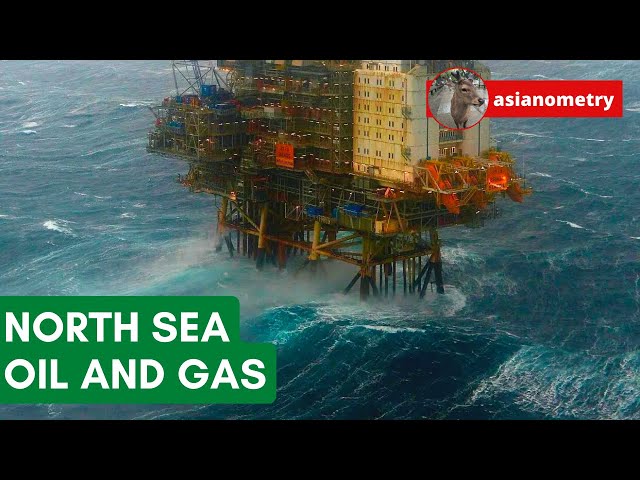 LongBritain's Missed Oil OpportunityIndustry Deep DivesEnergy TransitionOil And Gas+3 more
 LongWhy Are Cooling Towers Shaped Like That?Industry Deep DivesEnergy TransitionEnergy+3 more
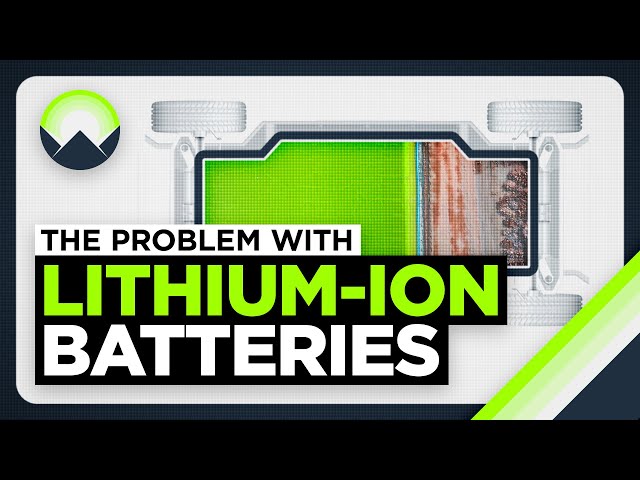 LongElectric Vehicles' Battery ProblemIndustry Deep DivesEnergy TransitionAutomotive+3 more
 MediumThe Truth about HydrogenIndustry Deep DivesEnergy TransitionAutomotive+3 more
 LongThe Mirage of Megaprojects: Why the West Keeps Getting Infrastructure WrongIndustry Deep DivesEnergy TransitionRenewable Energy+3 more