When Time Became History - The Human Era
Around 20,000 years ago, humans began a major change in how they lived. For most of our history, people were hunter-gatherers, living in small groups and moving around. They had tools, controlled fire, told stories, and created art. Then, slowly, they started to understand how to grow plants, like wild wheat, which led to the first bread and beer. This knowledge grew over many generations, allowing people to stay in one place longer and eventually farm. This change, called the agricultural revolution, was not sudden. It led to villages, towns, and cities, and while it brought new diseases and sometimes less varied diets, it also meant women could have more children, leading to a population boom. The exact reason for this shift is debated, but many believe it was a choice by communities, possibly spread through gatherings where people shared knowledge and celebrated together. This change was a huge step that led to our modern world.
Key Vocabulary
To train or adapt wild animals or plants to live in a human environment and be of use to humans; to bring under human control.
Examples:
- Early civilizations began to domesticate wild horses for transportation and labor.
- The process of domesticating crops like corn and rice took many generations of careful cultivation.
- Scientists are exploring new ways to domesticate certain types of algae for biofuel production.
A highly contagious and often deadly viral disease characterized by a distinctive rash and fever, now eradicated globally.
Examples:
- Vaccination efforts were crucial in the global eradication of smallpox.
- Historically, smallpox outbreaks could decimate entire populations.
- The medical community celebrates the triumph over smallpox as a major public health achievement.
Not having enough food or sufficient nutrients for good health and growth.
Examples:
- Children in the drought-stricken region were visibly undernourished.
- Despite having access to food, some individuals can still be undernourished if their diet lacks essential vitamins.
- The doctor recommended a specialized diet for the patient who was undernourished due to a chronic illness.
A common and highly contagious viral disease, especially of children, characterized by a rash of itchy blisters.
Examples:
- Many parents choose to vaccinate their children against chickenpox to prevent the uncomfortable illness.
- The school sent a notice home about a case of chickenpox in the first-grade class.
- Although generally mild, chickenpox can sometimes lead to complications in adults.
Living a lifestyle of moving from place to place, typically in search of food, water, or pasture, rather than settling permanently in one location.
Examples:
- Ancient hunter-gatherer societies often led a nomadic existence, following animal migrations.
- The nomadic tribe traveled across the plains, setting up temporary camps wherever resources were abundant.
- Modern technology has made a truly nomadic lifestyle less common for most people.
Not causing any physical pain or suffering; easy and without difficulty.
Examples:
- The new medical procedure was designed to be as painless as possible for the patient.
- She hoped the transition to the new software would be a painless process for the entire team.
- With careful planning, the move to the new office was relatively painless.
Hard, continuous, and often monotonous work or effort.
Examples:
- The daily grind of commuting and office work can be exhausting.
- After years of the academic grind, she finally earned her doctorate.
- He found the constant grind of fundraising to be the most challenging part of his job.
Aquatic invertebrates, such as oysters, clams, crabs, and lobsters, that have a shell or exoskeleton and are often consumed as food.
Examples:
- The coastal restaurant was renowned for its fresh shellfish platter.
- Some people have severe allergic reactions to certain types of shellfish.
- The chef prepared a delicious soup using a variety of local shellfish.
The condition of not having enough food or sufficient nutrients for good health and growth.
Examples:
- Prolonged undernourishment can lead to serious health problems and stunted development.
- Aid organizations are working to combat undernourishment in regions affected by food scarcity.
- The report highlighted the widespread issue of undernourishment among vulnerable populations.
To make (beer or other alcoholic beverages) by soaking, boiling, and fermentation; more broadly, to prepare a drink by steeping and mixing ingredients.
Examples:
- The local pub takes pride in its unique craft beers that they brew on-site.
- She likes to brew a fresh pot of herbal tea every morning.
- The coffee shop is known for its carefully brewed espresso.
Having a firm, dry, and brittle texture; pleasantly firm and crunchy.
Examples:
- The chef ensured the fried chicken had a perfectly crispy coating.
- She prefers her bacon extra crispy, almost burnt.
- The fresh lettuce added a nice crispy texture to the salad.
Not replied to or resolved; remaining without an answer or explanation.
Examples:
- Despite extensive research, many questions about the ancient civilization remain unanswered.
- His repeated calls went unanswered, making him worry.
- The mystery of the missing artifact remained unanswered for decades.
A highly contagious infectious disease causing fever and a red rash, especially in children.
Examples:
- Vaccination programs have significantly reduced the incidence of measles worldwide.
- The public health campaign aimed to inform parents about the dangers of measles.
- Symptoms of measles typically include a high fever, cough, and a widespread rash.
Long narrative poems, typically derived from ancient oral tradition, telling of heroic deeds and adventures or the history of a nation.
Examples:
- Homer's 'The Odyssey' is one of the most famous Greek epics.
- The professor specialized in the study of ancient epics and their cultural significance.
- Many cultures have their own foundational epics that recount the origins of their people.
In a way that is likely to have a strong or far-reaching effect; severely or extremely.
Examples:
- The new policy will drastically change how the company operates.
- After the severe storm, the landscape was drastically altered.
- His health improved drastically once he started a new treatment plan.
Far away from other places, buildings, or people; remote.
Examples:
- The small village was isolated by the mountains, making travel difficult.
- She preferred living in an isolated cabin in the woods for peace and quiet.
- The research team studied an isolated population to understand their unique genetic traits.
A serious and sometimes fatal disease caused by a parasite that commonly infects a certain type of mosquito which feeds on humans, characterized by cycles of fever, chills, and sweating.
Examples:
- Travelers to tropical regions are often advised to take precautions against malaria.
- Significant progress has been made in developing vaccines and treatments for malaria.
- The spread of malaria is a major public health concern in many parts of the world.
Almost entirely; nearly.
Examples:
- Virtually all the students passed the difficult exam.
- The new software can virtually eliminate errors in data entry.
- After the long journey, he was virtually exhausted.
Traditional stories sometimes popularly regarded as historical but not authenticated, often involving heroic figures or supernatural events.
Examples:
- The local legends spoke of a hidden treasure buried deep in the forest.
- King Arthur is a figure of legend, whose existence is debated by historians.
- The ancient ruins are steeped in legends passed down through generations.
The state of being alive; the way one earns money to live.
Examples:
- The cost of living in the city has increased significantly.
- He made a good living as a freelance writer.
- The old traditions are still very much a part of their living culture.
Related lessons
 LongThe Gist Of Western PhilosophyHumanitiesHistorical AnalysisHigher Education+3 more
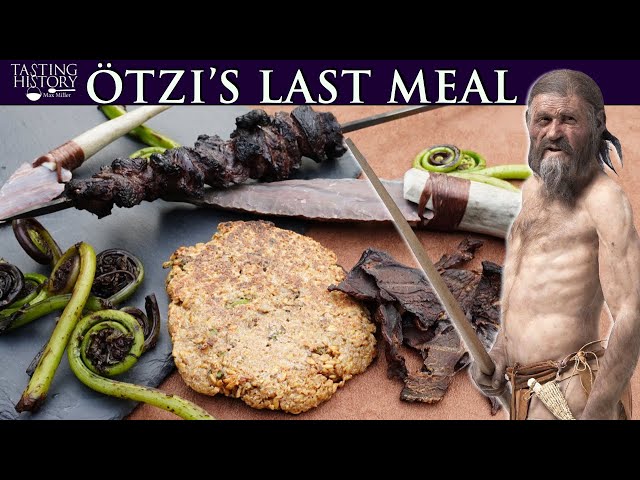 LongRecreating the Last Meal of Ötzi the IcemanHumanitiesHistorical AnalysisResearcher+1 more
 LongThe Birth of China - Hunters on the Yellow River (20000 BCE to 7000 BCE)HumanitiesHistorical AnalysisResearcher+1 more
 MediumThe Ancient Blueprint For All StorytellingHumanitiesHistorical AnalysisMedia+3 more
 MediumHow did the Egyptians forget Hieroglyphs?HumanitiesHistorical Analysis
 MediumDo You Have a Free Will?HumanitiesHistorical Analysis